
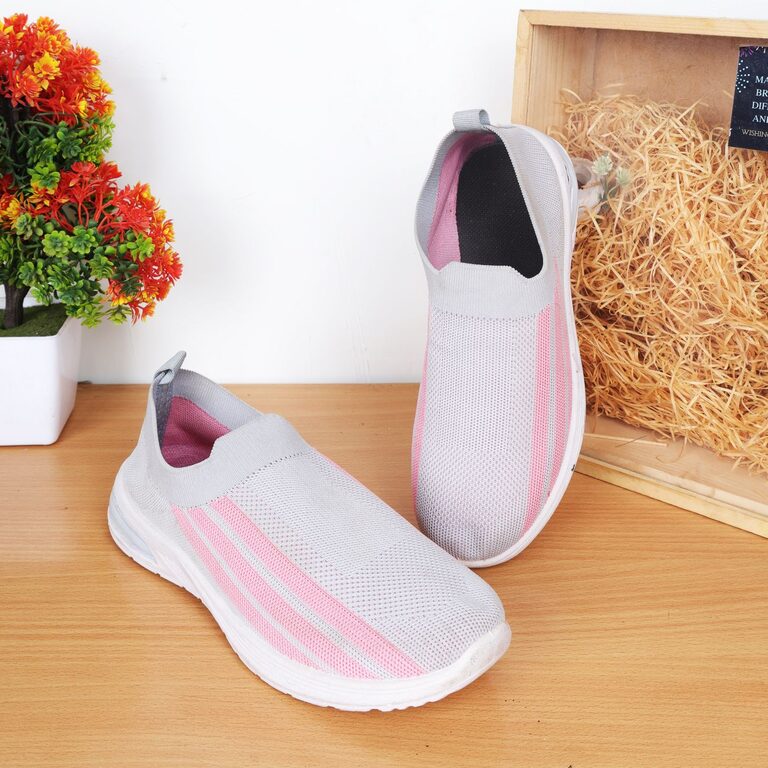
Walking shoes can make a noticeable difference in how enjoyable your daily routine feels. Whether you are exploring a new city, commuting on foot, or taking regular neighborhood walks, the right pair should feel comfortable, fit securely, and suit the surfaces you use most.
With so many styles and features available, choosing a pair can feel confusing. This practical guide explains what to look for, how to test a fit, and which details matter most when comparing walking shoes.
Start With Your Walking Needs
The best walking shoe depends on how and where you plan to use it. Before shopping, consider your usual activities.
Think about distance and frequency
A shoe for occasional short walks may not need the same features as one used for long daily walks. If you walk often, look for materials that can handle regular wear and a sole that remains comfortable over time.
Ask yourself:
– How many days a week will you wear the shoes?
– How long are your typical walks?
– Will you use them for errands, travel, exercise, or a mix of activities?
– Do you prefer one versatile pair or separate shoes for different uses?
Consider the walking surface
Different surfaces place different demands on footwear. Smooth sidewalks and indoor floors usually work well with lightweight, flexible shoes. Uneven paths may call for a more substantial sole with added grip and stability.
For travel, a versatile shoe that works on sidewalks, floors, and light trails may be more practical than a highly specialized design.
Focus on Fit First
Comfort starts with the fit. Extra cushioning or advanced materials cannot make up for a shoe that is too tight, too loose, or shaped differently from your foot.
Check the length
Your toes should have enough room to move without touching the front of the shoe. A small amount of space in front of the longest toe can help prevent a cramped feeling, especially when your feet expand during the day.
When trying on shoes:
- Stand up before judging the fit.
- Make sure your longest toe does not press against the front.
- Walk several steps, including turns.
- Check that your heel stays in place without rubbing.
- Compare both shoes, since feet are not always exactly the same size.
Pay attention to width
A shoe can be the correct length but still feel uncomfortable if it is too narrow. Your foot should rest naturally on the sole without spilling over the edges. The upper material should not pinch the sides or create pressure across the widest part of your foot.
If a shoe feels tight in the store, do not assume it will stretch enough to become comfortable. Look for a different width or a design with a roomier shape instead.
Try shoes on at the right time
Feet can change slightly in size throughout the day. Trying on shoes later in the day can give you a more realistic sense of fit. Wear the type of socks you expect to use with the shoes, especially if you plan to wear thicker walking socks.
Look for Useful Comfort Features
Walking shoes come with many advertised features, but the most useful ones are those that support a comfortable fit and natural movement.
Cushioning
Cushioning can make hard surfaces feel more pleasant, but more is not always better. A shoe with excessive cushioning may feel bulky or less stable to some walkers.
Choose a level of cushioning that feels comfortable when you walk. Pay attention to whether the sole feels soft but supportive rather than overly squishy.
Flexibility
A walking shoe should bend in a way that allows your foot to move naturally. Gently flex the shoe at the front and compare it with how your foot bends while walking.
Avoid shoes that feel completely rigid unless you have a specific reason to choose that design. At the same time, a shoe that folds too easily may not provide the structure you prefer for longer walks.
Heel support
The heel area should hold your foot securely without pressing uncomfortably. Walk up and down a few steps if possible. Your heel should not slide noticeably with each step, as excess movement can lead to rubbing.
A padded collar can add comfort around the ankle, but it should not feel tight or interfere with your movement.
Breathable materials
Breathable uppers can help your feet feel cooler during extended wear. Mesh and other ventilated materials are often useful for warm weather or indoor walking. Leather and coated materials may offer a more polished appearance or added protection from light moisture.
Think about the climate and setting where you will wear the shoes most often. Breathability, water resistance, and ease of cleaning may be more important than appearance alone.
Examine the Sole and Tread
The outsole affects grip, durability, and the overall feel of each step.
Look for a sole with enough traction for the surfaces you use regularly. A shallow, smooth tread may work well indoors or on clean sidewalks, while a more defined pattern can provide better grip on uneven or damp paths.
Also consider the sole’s weight. A thick, heavy outsole may offer durability, but a lighter option can feel easier to wear during long days. The best choice depends on your priorities and walking environment.
Check whether the sole is attached securely and whether the edges appear neatly finished. These small details can offer clues about the shoe’s construction.
Test Shoes Before Buying
A few minutes of testing can reveal more than simply standing in front of a mirror. If shopping in person, walk on different surfaces and change direction several times.
Try these simple checks:
– Walk at your normal pace.
– Take longer and shorter steps.
– Turn quickly and slowly.
– Walk up and down stairs if available.
– Notice any pressure points, slipping, or rubbing.
– Check whether the shoe feels comfortable with your usual socks.
If you are shopping online, read the size guide carefully and review return policies before ordering. Customer reviews can help you identify common fit patterns, such as whether a model runs narrow, wide, small, or large. However, use reviews as a guide rather than a guarantee, since feet and preferences vary.
Choose Features That Match Your Style
Comfortable walking shoes are available in many designs, from athletic-looking sneakers to casual slip-ons and more polished lace-up styles. Choose an appearance that fits your wardrobe and typical activities.
A neutral color can work well for everyday use, while a brighter design may be useful if you want the shoes to stand out. Laces often allow more adjustment, while slip-on styles can be convenient for quick errands. Hook-and-loop closures may make it easier to adjust the fit during the day.
The most practical pair is one you will actually enjoy wearing. A comfortable shoe that suits your clothing and routine is more useful than a technically impressive pair that stays in the closet.
Know When to Replace Walking Shoes
Even a well-made pair eventually loses its comfort and performance. Watch for visible wear on the tread, uneven sole compression, damaged stitching, or materials that no longer hold your foot securely.
You may also notice that the shoes feel less comfortable during walks, even if they still look acceptable. Keep track of how often you wear them and inspect them regularly. Rotating between two pairs can give each pair time to air out and may help extend their useful life.
Final Tips for a Better Choice
When comparing walking shoes, keep the decision simple:
– Prioritize fit over brand name or appearance.
– Choose enough toe room without allowing your foot to slide.
– Match cushioning and traction to your walking surfaces.
– Try shoes with the socks you normally wear.
– Walk around before buying whenever possible.
– Check return policies for online purchases.
– Replace shoes when comfort, grip, or structure noticeably declines.
The right walking shoes should feel secure, comfortable, and suitable for your daily routine. By focusing on fit, movement, materials, and intended use, you can make a confident choice without being distracted by features you may not need.