
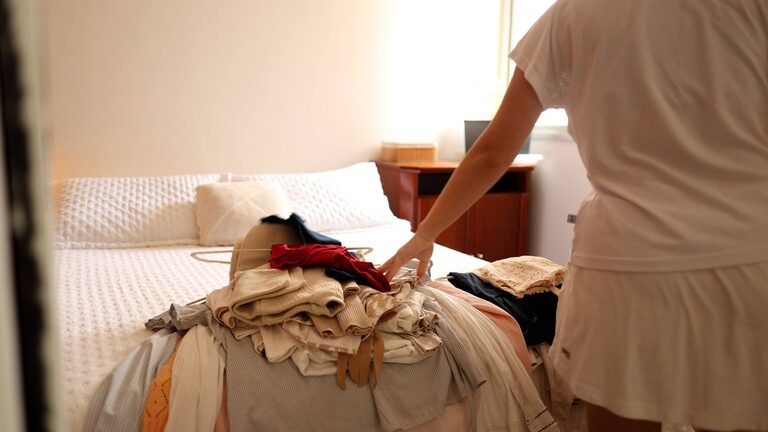
A cluttered home can make everyday tasks feel harder than they need to be. Items left on the floor can create obstacles, crowded surfaces can collect dust, and overfilled storage spaces can make it difficult to find what you need. Decluttering is not about creating a perfect home. It is about making your space safer, more comfortable, and easier to maintain.
You do not need to organize everything in one weekend. With a clear plan and a steady pace, small changes can make a noticeable difference.
Why Decluttering Improves Everyday Living
Removing unnecessary items can improve how your home works. Open walkways are easier to move through, clear surfaces are simpler to clean, and well-organized storage helps you find belongings quickly.
A less crowded home may also feel calmer. When fewer items compete for your attention, rooms can feel more open and welcoming. You may also spend less time moving things around before cooking, relaxing, working, or getting ready for the day.
Decluttering can help you:
– Reduce obstacles in busy walkways
– Keep entrances and exits clear
– Make cleaning easier
– Improve access to frequently used items
– Use storage space more effectively
– Create a more comfortable atmosphere
– Notice household maintenance needs sooner
The goal is not to remove everything. The goal is to keep the things that support your daily life and give each item a practical place.
Start With Safety First
Before focusing on style or storage, look for areas that could cause trips, blocked access, or other everyday problems. A quick safety walk-through can help you identify the most useful starting points.
Check these areas first:
– Hallways and stairways
– Doorways and entrances
– Floors near beds, sofas, and chairs
– Kitchens and other work areas
– Bathrooms
– Spaces around heaters and vents
– Areas near electrical cords
– Frequently used closets and cabinets
Remove loose items from walking paths, such as shoes, bags, toys, boxes, and small furniture. Keep cords neatly arranged and avoid placing objects where they could be stepped on or pulled accidentally. Make sure doors, windows, and exits can open without being blocked.
If a room feels difficult to move through, do not add more storage immediately. First remove items that do not belong there. This often creates more usable space without requiring new furniture or containers.
Use the Four-Group Method
A simple sorting system can make decisions easier. Label four boxes, bags, or areas:
- **Keep:** Items you use regularly or truly value.
- **Move:** Items that belong in another room.
- **Give away:** Useful items you no longer need.
- **Recycle or discard:** Items that are broken, expired, damaged, or no longer practical.
Work on one small area at a time. A drawer, shelf, or corner is easier to finish than an entire room. Completing smaller sections can build momentum and prevent the project from becoming overwhelming.
Try to handle each item only once. Decide where it belongs before moving on. If you find yourself creating a large “maybe” pile, set a limit. Keep only items you have a clear reason to retain.
Focus on High Traffic Areas
The areas you use most often can provide the biggest improvement. Begin with the entryway, kitchen counters, living room floor, bedroom floor, and bathroom storage.
Entryway
An organized entryway makes coming and going easier. Keep only the shoes, coats, bags, and accessories used regularly. Use a basket or small tray for items that tend to collect near the door, such as keys or mail.
Avoid allowing the entryway to become a drop zone for every household item. Create a simple routine: put away coats, store shoes, and sort mail as soon as practical.
Kitchen
Clear counters make food preparation easier and provide more room for cleaning. Remove appliances and tools you rarely use. Group similar items together, such as baking supplies, cooking utensils, or food storage containers.
Match containers with their lids and recycle pieces that no longer have a useful pair. Keep heavy items on lower shelves when possible, and place frequently used items where they are easy to reach.
Living Room
Start with the floor and seating areas. Remove items that do not belong in the room, then reduce piles on tables and shelves. Keep a basket nearby for blankets, books, or remote controls that are used often.
Arrange furniture so walkways remain open. A room can feel more comfortable when people can move between doors, seats, and tables without weaving around obstacles.
Bedroom
A clear bedroom floor can make the room feel more restful and easier to clean. Store clothing in a way that makes daily choices simple. If an item does not fit, is uncomfortable, or has not been worn in a long time, consider placing it in the give-away group.
Keep nightstands limited to useful or meaningful items. A less crowded surface can make the room feel more orderly at the end of the day.
Choose Storage Carefully
Storage can help, but it should support good habits rather than hide clutter. Before buying containers, measure the space and decide what will be stored there. Otherwise, new bins may simply create more places to keep items you do not use.
Use clear or labeled containers for items that are not needed every day. Store similar items together and keep frequently used belongings within easy reach. Place seasonal items in less convenient areas, while keeping everyday essentials in accessible locations.
Avoid overfilling shelves, drawers, and cabinets. When storage is packed too tightly, items are harder to remove and return. Leave a little open space so the area remains practical.
Create a Simple Maintenance Routine
Decluttering works best when it becomes part of normal household care. A few minutes of attention each day can prevent small piles from becoming larger projects.
Try these habits:
– Return items to their assigned places after use.
– Sort incoming mail regularly.
– Put laundry in one designated location.
– Clear kitchen surfaces after meals.
– Remove unwanted items as soon as you identify them.
– Do a quick floor check before cleaning.
– Review one drawer or shelf each week.
You can also use a “one in, one out” approach for certain categories. When you bring home a new coat, mug, book, or kitchen tool, consider removing one similar item. This helps prevent storage areas from slowly becoming overcrowded.
Make Decluttering Comfortable and Sustainable
Decluttering should fit your schedule and energy. Set a timer for 15 or 20 minutes, then take a break. If a task feels too large, reduce it to a smaller step, such as clearing one shelf or sorting one basket.
Invite household members to make decisions about their own belongings. Shared spaces can be organized together, while personal items should be handled with respect. Agree on simple rules for common areas, such as keeping walkways clear and returning shared items after use.
Remember that an organized home does not need to look empty. Books, decorations, hobbies, and personal collections can all have a place. The most useful question is whether an item supports your life and fits comfortably within your available space.
Enjoy the Results
Once you finish a section, pause to notice the difference. Is it easier to walk through the room? Can you find important items more quickly? Does cleaning take less effort? These practical improvements are signs that your decluttering choices are working.
A safer, more comfortable home is created through many small decisions. Start with clear walkways, useful storage, and the areas you rely on most. With regular maintenance and realistic goals, your home can become easier to use, easier to care for, and more enjoyable every day.