
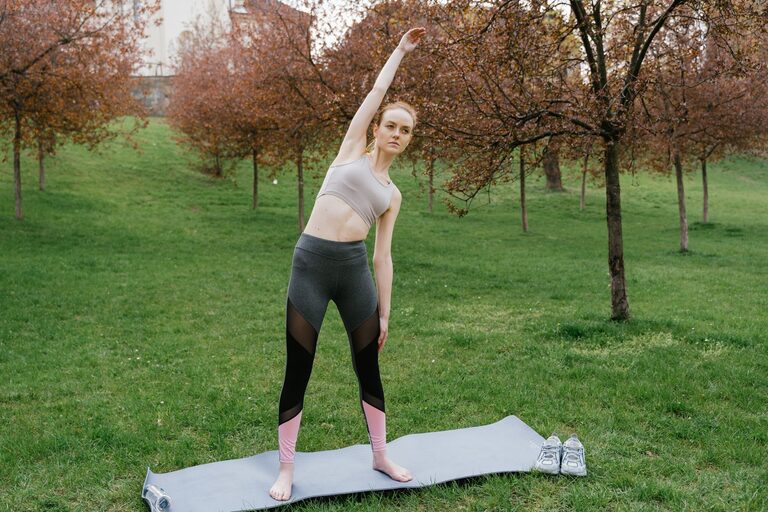
A morning stretching routine can be a simple way to add more movement to your day. You do not need special equipment, a large space, or a long block of free time. A few gentle movements can help you feel more awake and ready for everyday activities.
The goal is not to force deep stretches or complete a demanding workout before breakfast. Instead, focus on slow, comfortable movements that loosen areas that may feel stiff after sleep. With regular practice, morning stretching can become an easy habit that supports better movement throughout the day.
Why Stretch in the Morning?
Many people spend the first part of the day sitting, commuting, or working at a desk. Starting with gentle movement gives your body a chance to transition from rest to activity.
A short routine may help you:
– Wake up your muscles and joints
– Move more comfortably in the morning
– Reduce the feeling of stiffness after sleeping
– Improve body awareness
– Create a calm start to the day
– Build a consistent movement habit
Morning stretching does not have to be complicated. Even five minutes can make your routine feel more purposeful. If you have more time, you can repeat movements or add a short walk afterward.
Simple Guidelines for a Safe Routine
Before stretching, pay attention to how your body feels. Move slowly and breathe normally. A stretch should feel gentle and steady, not sharp or painful.
Keep these tips in mind:
– Start with small movements before holding a stretch.
– Avoid bouncing or forcing your range of motion.
– Keep your breathing relaxed.
– Hold comfortable stretches for about 15 to 30 seconds.
– Stop if you feel pain, dizziness, or unusual discomfort.
– Use a wall, chair, or other stable surface for balance if needed.
If you have a current injury, ongoing pain, or a health condition that affects movement, consider asking a qualified professional which activities are appropriate for you.
Five Minute Wake Up Routine
This routine is a useful option when your morning is busy. Perform each movement slowly for 30 to 45 seconds. You can complete the routine beside your bed, in the living room, or anywhere with enough room to stand comfortably.
1. Full Body Reach
Stand with your feet about hip width apart. Let your arms rest by your sides, then slowly reach both hands toward the ceiling. Keep your shoulders relaxed as you lengthen through your arms and upper body.
Take two or three comfortable breaths. On an exhale, lower your arms. Repeat several times, reaching upward without leaning too far back.
This movement helps you bring attention to your posture and gently wakes up your shoulders, sides, and upper body.
2. Shoulder Rolls
Stand or sit tall. Lift your shoulders slightly, then roll them backward and down in a smooth circle. Complete five to eight slow circles, then change direction.
Try to keep your neck relaxed. Avoid rushing through the movement. Shoulder rolls are especially helpful if you tend to sleep in one position or spend much of the day using a computer.
3. Standing Side Stretch
Place your feet comfortably apart and raise your right arm overhead. Gently lean to the left while keeping both feet grounded. Hold for a few breaths, then return to the center and switch sides.
Keep the movement small enough that you can breathe easily. You should feel a mild stretch along the side of your body rather than pressure in your lower back.
4. Gentle Standing Twist
Stand with your feet hip width apart and your arms relaxed. Bend your elbows or place your hands lightly on your shoulders. Turn your upper body to the right, return to the center, and then turn to the left.
Keep your hips facing forward as much as is comfortable. Move from your upper back instead of trying to rotate as far as possible. Repeat slowly for several rounds.
5. Calf Raise and Ankle Movement
Hold the back of a sturdy chair or place one hand on a wall. Slowly rise onto the balls of your feet, then lower your heels. Repeat eight to 12 times.
Afterward, lift one foot slightly and circle the ankle in both directions. Switch sides. These movements are an easy way to bring attention to your feet and lower legs before you begin walking.
Ten Minute Mobility Routine
When you have a little more time, add movements that focus on the hips, spine, and back of the legs. Complete each exercise for 30 seconds to one minute, using a slow pace.
Cat Cow Movement
Start on your hands and knees, with your hands below your shoulders and your knees below your hips. Slowly round your back as you lower your head slightly. Then move in the opposite direction by lifting your chest gently and allowing your back to extend comfortably.
Move with your breathing and avoid pushing into a deep position. If getting onto the floor is not convenient, you can perform a similar movement while standing with your hands on a table.
Hip Hinge
Stand with your feet hip width apart and place your hands on your hips. Soften your knees, then push your hips slightly backward while keeping your back long. Return to a standing position by pressing through your feet.
This movement helps you practice bending from the hips rather than rounding your back. Keep the range of motion small and controlled.
Low Lunge
Step your right foot forward and place your left knee on a folded towel or comfortable surface. Keep your hands on your front thigh or on the floor for support. Shift your hips forward slightly until you feel a gentle stretch around the front of your left hip.
Return to the starting position and switch sides. If kneeling is uncomfortable, perform a standing version by stepping one foot back and keeping both legs straight or softly bent.
Seated Forward Reach
Sit on a chair with both feet on the floor. Extend one leg forward with the heel resting down. Keep your back long and lean forward slightly from your hips until you feel a comfortable stretch along the back of your leg.
Do not try to touch your toes. Switch sides after 15 to 30 seconds. This seated version is easy to include in a bedroom or office routine.
A Bedside Routine for Slow Mornings
Some mornings call for a gentler start. Before getting out of bed, try moving through a few easy positions:
– Point and flex your feet several times.
– Circle your ankles in both directions.
– Reach your arms overhead and lengthen through your body.
– Bend one knee at a time while keeping the other leg relaxed.
– Turn your head gently from side to side.
– Sit on the edge of the bed and take three slow breaths.
These movements are not a replacement for a full routine, but they can help you transition from lying down to standing. Once you are upright, add a short walk around your home or a few shoulder rolls.
How to Make Morning Stretching a Habit
Consistency matters more than duration. Choose a routine that fits your schedule instead of creating a plan that is difficult to maintain.
Try these simple strategies:
– Keep a chair, towel, or exercise mat where you can see it.
– Stretch after brushing your teeth or making coffee.
– Start with only three movements.
– Use a timer so you do not need to watch the clock.
– Pair stretching with calming music or natural light.
– Mark each completed routine on a calendar.
– Add time gradually as the habit becomes easier.
You can also create different routines for different mornings. Use the five minute version on busy days and the ten minute version when your schedule allows. The most useful routine is one you can repeat comfortably.
End With Easy Movement
Stretching is a helpful beginning, but adding a little more movement can make your morning feel even more active. Walk around your home, take the stairs when practical, or step outside for a few minutes.
Keep the overall goal simple: move gently, breathe comfortably, and give your body time to wake up. A short morning routine can set a positive tone for the hours ahead without requiring a major change to your schedule.